


10 Proven Stress Relaxation Methods to Transform Your Well-Being
Stress can feel overwhelming at times, but it doesn’t have to control your life. I’ve discovered that with the right tools and mindset, managing stress becomes a journey of self-care and empowerment. Today, I want to share 10 proven ways to reduce stress that have helped me and countless others find calm, balance, and renewed energy. These methods blend ancient wisdom with modern science, perfectly aligning with a holistic approach to wellness.
Let’s dive in and explore practical, uplifting strategies that you can start using right now to nurture your mind, body, and spirit.
Embrace Mindful Breathing for Instant Calm
One of the simplest yet most powerful ways to reduce stress is through mindful breathing. When life feels chaotic, taking a moment to focus on your breath can ground you instantly. Here’s how I practice it:
Find a quiet spot and sit comfortably.
Close your eyes and take a slow, deep breath in through your nose for a count of four.
Hold your breath gently for a count of four.
Exhale slowly through your mouth for a count of six.
Repeat this cycle for 5 to 10 minutes.
This technique activates your parasympathetic nervous system, which helps your body relax and lowers cortisol levels—the hormone linked to stress. I find that even a few minutes of mindful breathing can clear my mind and restore a sense of peace.

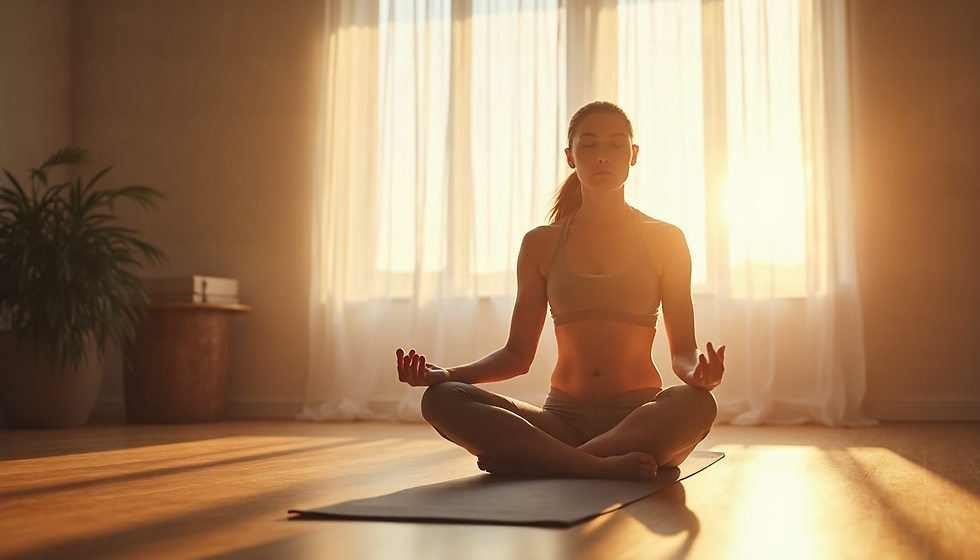
Caption: Taking deep, mindful breaths helps calm the nervous system and reduce stress.
Move Your Body with Gentle Exercise
Physical activity is a natural stress reliever. It releases endorphins, those feel-good chemicals that boost your mood and energy. But you don’t need to run a marathon to benefit. Gentle exercises like yoga, walking, or tai chi can be incredibly effective.
I love starting my day with a 20-minute yoga flow. It stretches my muscles, improves circulation, and centers my thoughts. If you’re new to exercise, try these tips:
Choose activities you enjoy to stay motivated.
Aim for at least 30 minutes of movement most days.
Incorporate deep stretches to release tension.
Practice mindful movement by focusing on how your body feels.
Movement not only reduces physical tension but also clears mental clutter, making it easier to face daily challenges with calm confidence.
Nourish Your Body with Stress-Reducing Foods
What you eat plays a crucial role in how your body handles stress. Certain foods can help stabilize your mood and support your nervous system. Here are some nourishing options I include in my diet:
Leafy greens like spinach and kale, rich in magnesium.
Berries loaded with antioxidants.
Nuts and seeds for healthy fats and protein.
Herbal teas like chamomile or lavender to soothe the mind.
Avoiding excessive caffeine, sugar, and processed foods can also prevent mood swings and energy crashes. Preparing balanced meals with whole, natural ingredients helps me feel grounded and resilient.
Create a Relaxing Environment at Home
Your surroundings have a big impact on your stress levels. I’ve found that making my living space a sanctuary of calm helps me unwind after a busy day. Here are some ideas to transform your environment:
Declutter regularly to reduce visual stress.
Use soft lighting or candles to create warmth.
Add plants for a touch of nature and cleaner air.
Play gentle music or nature sounds.
Incorporate calming scents like lavender or eucalyptus with essential oils.
A peaceful home environment invites relaxation and supports restful sleep, which is essential for managing stress effectively.

Caption: A serene home environment encourages relaxation and stress relief.
Practice Gratitude Daily
Gratitude is a powerful mindset shift that can transform how you experience stress. When I focus on what I’m thankful for, even small joys, it helps me see challenges in a new light. Here’s a simple way to cultivate gratitude:
Each morning or evening, write down three things you’re grateful for.
Reflect on why these things matter to you.
Share your gratitude with someone else to deepen the feeling.
This practice rewires your brain to notice positive experiences, reducing anxiety and increasing emotional resilience. It’s a gentle reminder that even in tough times, there is always something good to hold onto.
Connect with Nature Regularly
Spending time outdoors is a natural antidote to stress. Nature’s rhythms and beauty have a calming effect on the nervous system. I make it a point to:
Take daily walks in a park or green space.
Sit quietly by a body of water or under a tree.
Practice grounding by walking barefoot on grass or sand.
These moments help me slow down, breathe deeply, and reconnect with the present moment. Even a few minutes outside can boost your mood and reduce feelings of overwhelm.
Prioritize Quality Sleep
Sleep is the foundation of stress management. Without enough restful sleep, our ability to cope with stress diminishes. I’ve learned to honor my body’s need for rest by:
Establishing a consistent bedtime routine.
Avoiding screens at least an hour before sleep.
Creating a cool, dark, and quiet bedroom.
Limiting caffeine and heavy meals in the evening.
If you struggle with sleep, try relaxation techniques like progressive muscle relaxation or guided meditation before bed. Prioritizing sleep rejuvenates your mind and body, making stress easier to handle.
Set Healthy Boundaries
Saying no can be one of the most empowering ways to reduce stress. Overcommitting drains your energy and increases anxiety. I remind myself that setting boundaries is an act of self-love. Here’s how to start:
Identify your limits and what feels overwhelming.
Communicate your needs clearly and kindly.
Delegate tasks when possible.
Schedule downtime for yourself without guilt.
Healthy boundaries protect your well-being and create space for what truly matters. Remember, you deserve time to recharge and thrive.
Engage in Creative Expression
Creative activities are wonderful outlets for stress relief. Whether it’s painting, writing, gardening, or playing music, expressing yourself creatively helps process emotions and quiet the mind. I find that:
Setting aside time for creativity sparks joy.
Focusing on the process rather than the outcome reduces pressure.
Sharing your creations can build connection and support.
Creativity invites flow and mindfulness, making it easier to release tension and invite peace.
Explore 10 Relaxation Techniques to Reduce Stress
If you’re looking for a comprehensive guide to relaxation, I highly recommend exploring 10 relaxation techniques to reduce stress. This resource offers a variety of methods, from progressive muscle relaxation to visualization, that you can tailor to your needs. Incorporating these techniques into your routine can deepen your stress management toolkit and enhance your overall well-being.
Embracing a Lifestyle of Calm and Balance
Stress is a natural part of life, but it doesn’t have to define your experience. By integrating these stress relaxation methods into your daily routine, you create a foundation of resilience and peace. Remember, small consistent steps lead to lasting change.
I encourage you to be gentle with yourself as you explore these practices. Celebrate your progress, no matter how small, and know that every effort you make is a gift to your mind, body, and spirit.
Here’s to your journey toward a more balanced, fulfilling life filled with calm and joy!


Comments