


10 Stress-Relief Techniques to Reduce Stress Effectively
Stress can sneak into our lives in so many ways. Whether it’s work deadlines, family responsibilities, or just the daily hustle, it’s easy to feel overwhelmed. But here’s the good news: we can take control. I’ve discovered some wonderful ways to calm the mind and soothe the body. These stress-relief techniques are simple, effective, and can fit into any lifestyle. Let’s explore them together and find your perfect path to peace.
Embracing Stress-Relief Techniques for a Balanced Life
When stress builds up, it affects not just our minds but our bodies too. That tightness in your shoulders, the racing heart, or restless nights are all signs your body is asking for a break. The great thing is, stress-relief techniques can help you reset and recharge. From breathing exercises to mindful movement, these methods encourage relaxation and bring you back to center.
Here are some practical ways to start:
Deep breathing: Slow, intentional breaths calm your nervous system.
Progressive muscle relaxation: Tense and release muscles to ease tension.
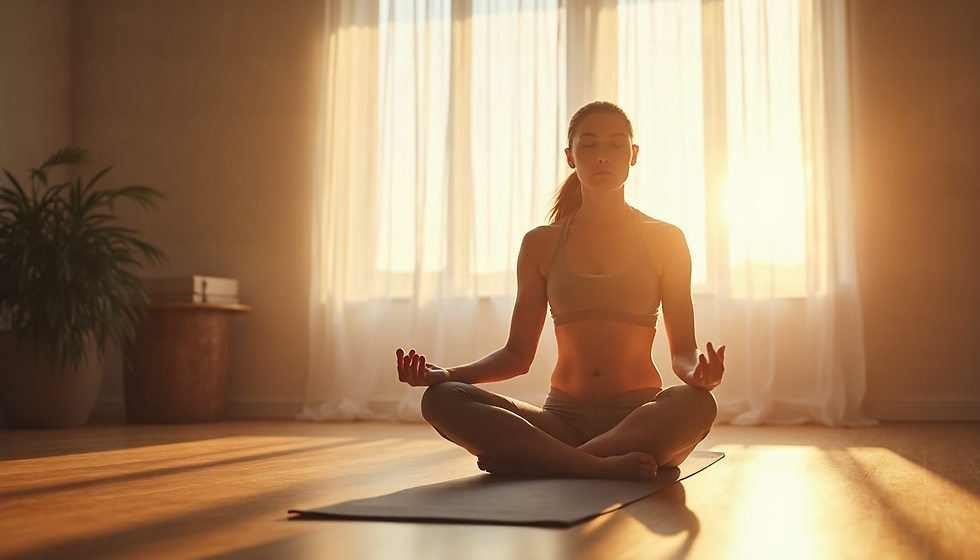
Mindfulness meditation: Focus on the present moment without judgment.
Gentle yoga: Stretch and breathe to release physical and mental stress.
Nature walks: Connect with the outdoors to refresh your spirit.
Each of these techniques offers a unique way to unwind. You can mix and match to find what feels best for you.

What is the 3 3 3 Rule for Stress?
One of my favorite quick tools to manage stress is the 3 3 3 rule. It’s a simple grounding technique that helps bring your focus back to the present when anxiety or stress feels overwhelming. Here’s how it works:
Look around and name 3 things you can see. This could be a plant, a book, or a cup on your desk.
Listen and identify 3 sounds you can hear. Maybe birds outside, a clock ticking, or distant traffic.
Move 3 parts of your body. Wiggle your fingers, tap your feet, or shrug your shoulders.
This exercise gently pulls you away from stressful thoughts and into the here and now. It’s quick, easy, and you can do it anywhere, anytime. I often use it during busy days when I need a moment to reset.
Breathing Techniques to Calm Your Mind
Breathing is something we do naturally, but when we’re stressed, our breath often becomes shallow and rapid. By consciously changing how we breathe, we can influence our nervous system and reduce stress.
Here are two powerful breathing exercises:
Box Breathing: Inhale for 4 seconds, hold for 4 seconds, exhale for 4 seconds, and hold again for 4 seconds. Repeat several times. This technique promotes calm and focus.
4-7-8 Breathing: Breathe in quietly through your nose for 4 seconds, hold your breath for 7 seconds, and exhale forcefully through your mouth for 8 seconds. This helps relax your body deeply.
Try these exercises whenever you feel tension creeping in. They’re perfect for calming your mind before a meeting or helping you drift off to sleep.
The Power of Progressive Muscle Relaxation
Progressive muscle relaxation (PMR) is a wonderful way to release physical tension that often accompanies stress. It involves tensing and then relaxing different muscle groups in your body, one at a time.
Here’s a simple way to practice PMR:
Find a quiet place and sit or lie down comfortably.
Start with your feet. Tense the muscles for 5 seconds, then release.
Move up your body—calves, thighs, abdomen, arms, shoulders, neck, and face.
Focus on the feeling of relaxation after each release.
This technique helps you become more aware of where you hold stress in your body and teaches you how to let it go. It’s especially helpful before bedtime or after a long day.

Mindfulness Meditation: Finding Peace in the Present
Mindfulness meditation invites us to slow down and observe our thoughts and feelings without judgment. It’s about being fully present, which can reduce the power of stress and anxiety.
To start a mindfulness practice:
Sit comfortably and close your eyes.
Focus on your breath or the sensations in your body.
When your mind wanders, gently bring your attention back.
Practice for 5-10 minutes daily, gradually increasing the time.
Mindfulness helps you build resilience to stress by changing how you relate to your thoughts. Over time, it cultivates a calm, clear mind and a compassionate heart.
Gentle Yoga for Body and Mind Harmony
Yoga is a beautiful blend of movement, breath, and mindfulness. It encourages flexibility, strength, and relaxation all at once. Even a short yoga session can melt away stress and leave you feeling refreshed.
Try these beginner-friendly poses:
Child’s Pose: A restful pose that calms the nervous system.
Cat-Cow Stretch: Releases tension in the spine and promotes fluid movement.
Legs-Up-The-Wall: Reduces fatigue and improves circulation.
You don’t need to be an expert to enjoy yoga’s benefits. Just a few minutes a day can make a big difference in how you feel.
Creative Outlets to Express and Release Stress
Sometimes, words aren’t enough to express what we’re feeling. Creative activities like drawing, painting, journaling, or playing music can be powerful tools for stress relief.
Here’s how to get started:
Set aside 15-20 minutes for a creative activity you enjoy.
Don’t worry about the outcome—focus on the process.
Use colors, shapes, or words to express your emotions.
Notice how your body and mind feel afterward.
Creative expression helps release pent-up emotions and fosters a sense of accomplishment and joy.
The Healing Power of Nature
Spending time outdoors is one of the simplest ways to reduce stress. Nature has a calming effect on the mind and body, lowering blood pressure and improving mood.
Try these ideas:
Take a daily walk in a park or natural setting.
Practice mindful breathing while sitting under a tree.
Listen to the sounds of birds, wind, or water.
Even a few minutes outside can refresh your spirit and help you feel more grounded.
How to Create Your Personal Relaxation Routine
The key to managing stress is consistency. Creating a personal relaxation routine tailored to your needs can make a lasting difference.
Here’s a simple plan:
Choose 2-3 techniques that resonate with you.
Set aside specific times each day for practice.
Keep a journal to track your progress and feelings.
Adjust your routine as needed to keep it enjoyable.
Remember, relaxation is a gift you give yourself. It’s not about perfection but about caring for your well-being.
Embrace Your Journey to Calm and Balance
Stress is a natural part of life, but it doesn’t have to control you. By exploring and practicing these stress-relief techniques, you’re taking powerful steps toward a healthier, more balanced life. Remember, small changes add up to big results. Be patient and kind to yourself as you discover what works best.
If you’re ready to dive deeper, check out this helpful guide on 10 relaxation techniques to reduce stress for more inspiration and practical tips. Your journey to calm and balance starts now!
Wishing you peace and wellness every step of the way. Keep shining bright!


Comments