


Start Your Yoga Journey with Confidence: Introductory Yoga Tips for a Balanced Life
Embarking on a yoga journey is a beautiful step toward nurturing your body, mind, and spirit. I remember when I first unrolled my mat, feeling a mix of excitement and uncertainty. If you’re reading this, you might be feeling the same way. That’s perfectly okay! Yoga is not about perfection; it’s about progress, presence, and self-care. Let’s explore how you can start your yoga practice with confidence, embracing every moment along the way.
Embracing the Basics: Introductory Yoga Tips to Get You Started
Starting something new can feel overwhelming, but yoga welcomes you exactly as you are. Here are some simple, practical tips to help you ease into your practice:
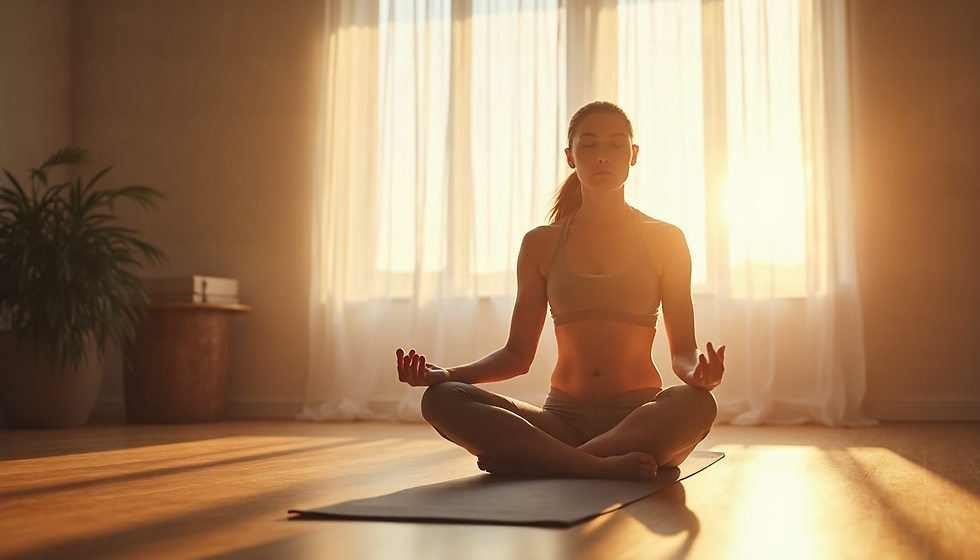
Choose the Right Space: Find a quiet, comfortable spot where you won’t be disturbed. It could be a corner of your living room or a sunny balcony.
Wear Comfortable Clothing: Opt for clothes that allow you to move freely without restriction.
Start Small: Begin with short sessions, maybe 10 to 15 minutes, and gradually increase as you feel more comfortable.
Focus on Breath: Your breath is your anchor. Pay attention to it, and let it guide your movements.
Be Patient and Kind to Yourself: Progress in yoga is personal. Celebrate small victories and don’t rush.
If you’re looking for structured guidance, consider joining beginners yoga classes that focus on foundational postures and breathing techniques. These classes can provide a supportive environment and expert instruction to build your confidence.

Building Strength and Flexibility: Gentle Practices for Every Body
Yoga is a wonderful way to enhance your physical health gently and effectively. When I started, I was surprised at how quickly my body began to feel stronger and more flexible. Here’s how you can nurture your body safely:
Warm-Up with Gentle Stretches: Begin each session with simple stretches to prepare your muscles.
Focus on Foundational Poses: Poses like Mountain (Tadasana), Downward Dog (Adho Mukha Svanasana), and Child’s Pose (Balasana) build strength and flexibility.
Use Props if Needed: Blocks, straps, or cushions can help you maintain proper alignment and reduce strain.
Listen to Your Body: If a pose feels uncomfortable or painful, ease out of it or modify it.
Consistency Over Intensity: Regular, gentle practice is more beneficial than occasional intense sessions.
Remember, yoga is not about touching your toes but about what you learn on the way down. Your body will thank you for the care and attention.
Which Yoga is Best for Osteoporosis?
If you’re managing osteoporosis or concerned about bone health, yoga can be a supportive practice when done mindfully. Certain styles and poses focus on building bone strength and improving balance, which is crucial for preventing falls.
Hatha Yoga: This style is slow-paced and focuses on basic postures, making it ideal for beginners and those with osteoporosis.
Iyengar Yoga: Known for its use of props and emphasis on alignment, Iyengar yoga helps protect fragile bones while strengthening muscles.
Avoid High-Impact or Twisting Poses: Steer clear of deep forward bends, intense twists, or poses that put excessive pressure on the spine.
Incorporate Weight-Bearing Poses: Standing poses like Warrior I and II help stimulate bone growth.
Consult Your Healthcare Provider: Always check with your doctor before starting any new exercise routine.
By choosing the right approach, yoga can be a gentle yet powerful ally in your journey toward stronger bones and better balance.

Cultivating Mindfulness and Stress Relief Through Yoga
One of the most profound gifts yoga offers is the ability to calm the mind and reduce stress. When life feels overwhelming, your mat can become a sanctuary. Here’s how to cultivate mindfulness in your practice:
Begin with Breath Awareness: Spend a few moments focusing on your breath before moving.
Practice Meditation or Guided Relaxation: Even five minutes of seated meditation can reset your nervous system.
Use Gentle Movements: Flow slowly from one pose to another, paying attention to sensations.
Incorporate Affirmations: Positive self-talk during practice can boost your mood and confidence.
End with Savasana: This final relaxation pose allows your body and mind to absorb the benefits of your practice.
Yoga teaches us to be present, to observe without judgment, and to find peace within. It’s a practice that extends beyond the mat into every aspect of life.
Staying Motivated and Making Yoga a Lifelong Habit
Starting is just the beginning. To truly benefit from yoga, it helps to make it a regular part of your life. Here are some tips to keep your practice alive and thriving:
Set Realistic Goals: Whether it’s practicing three times a week or mastering a new pose, clear goals keep you focused.
Create a Routine: Practice at the same time each day to build a habit.
Celebrate Progress: Notice improvements in flexibility, strength, or mood and reward yourself.
Join a Community: Whether online or in person, connecting with others can provide encouragement and inspiration.
Keep Learning: Explore different styles, attend workshops, or read about yoga philosophy to deepen your understanding.
Remember, every yogi’s path is unique. Embrace your journey with openness and joy.
Starting your yoga journey is a beautiful act of self-love and empowerment. With these introductory yoga tips, you can step onto your mat with confidence, knowing that each breath and movement brings you closer to balance and well-being. So, roll out your mat, take a deep breath, and enjoy the wonderful adventure ahead!


Comments